VOICES FROM THE HILLS

"Voices from the Hills" is a short powerful documentary that chronicles the journey of three warriors from Meghalaya as they fight to reclaim ancestral lands taken during British rule.

Explainer Animation

Project Overview

Project type: Classroom Project
Category: Animation
Timeline: 10 weeks (2023)

The objective of this project is to enlighten individuals about the courageous freedom fighters and shine a spotlight on the warriors who valiantly fought for the liberation of the state of Meghalaya during the British colonial period.
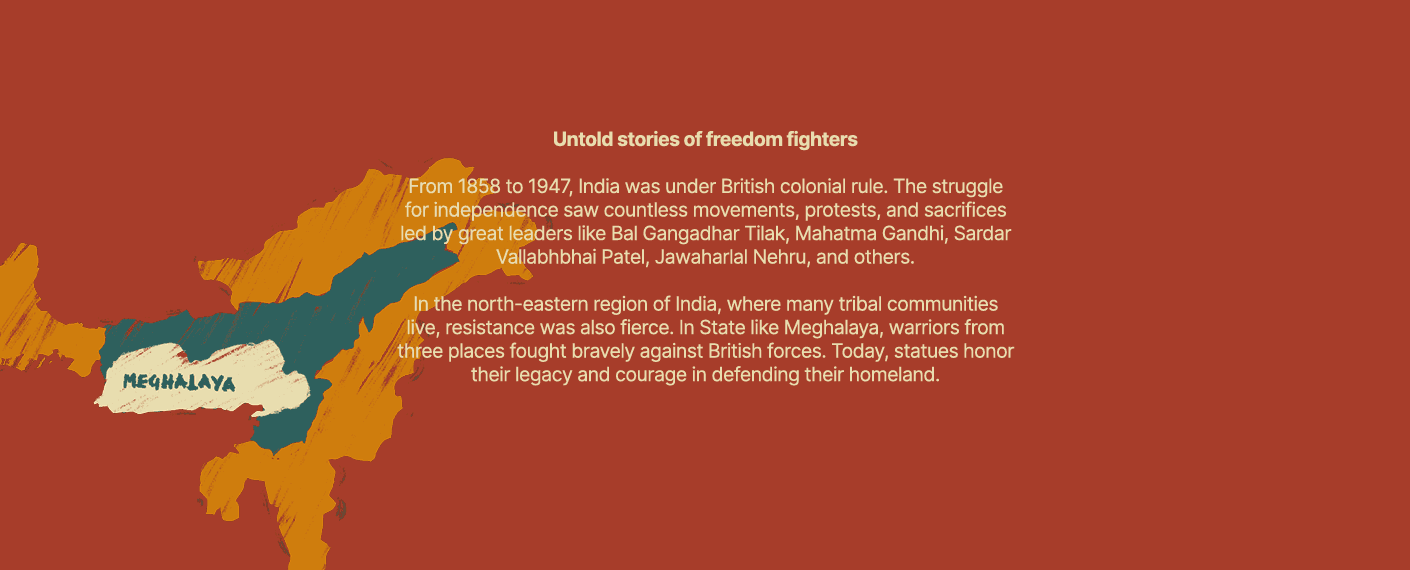
Why?

The project began with a desire to bring attention to the often-overlooked warriors who fought for Meghalaya’s freedom during British colonial rule. Recognizing that their stories are rarely highlighted, the initiative was driven by a need to preserve and share their courage, ensuring their legacy continues to inspire while introducing this rich cultural history to a wider audience.

How?

The growing influence of Western culture is slowly disconnecting us from our roots, causing traditions and heritage to fade with time.


Logline

Three tribal leaders from Meghalaya, India, battle for the return of the territory that the British seized.

Script
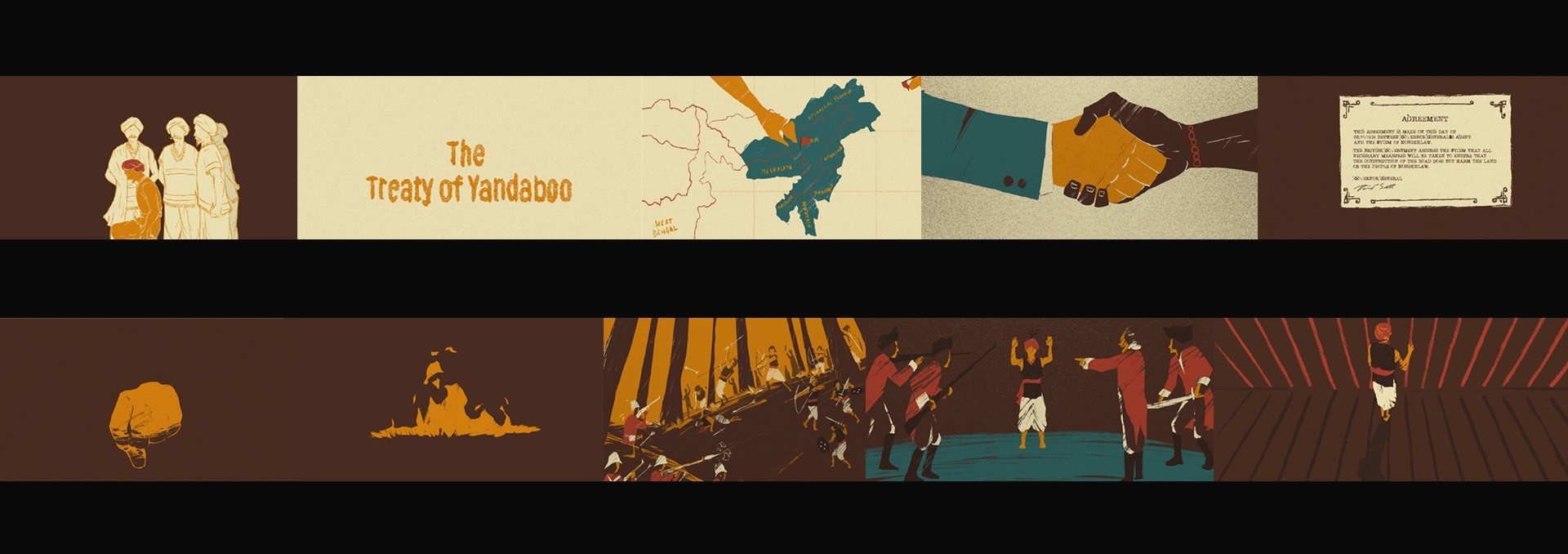
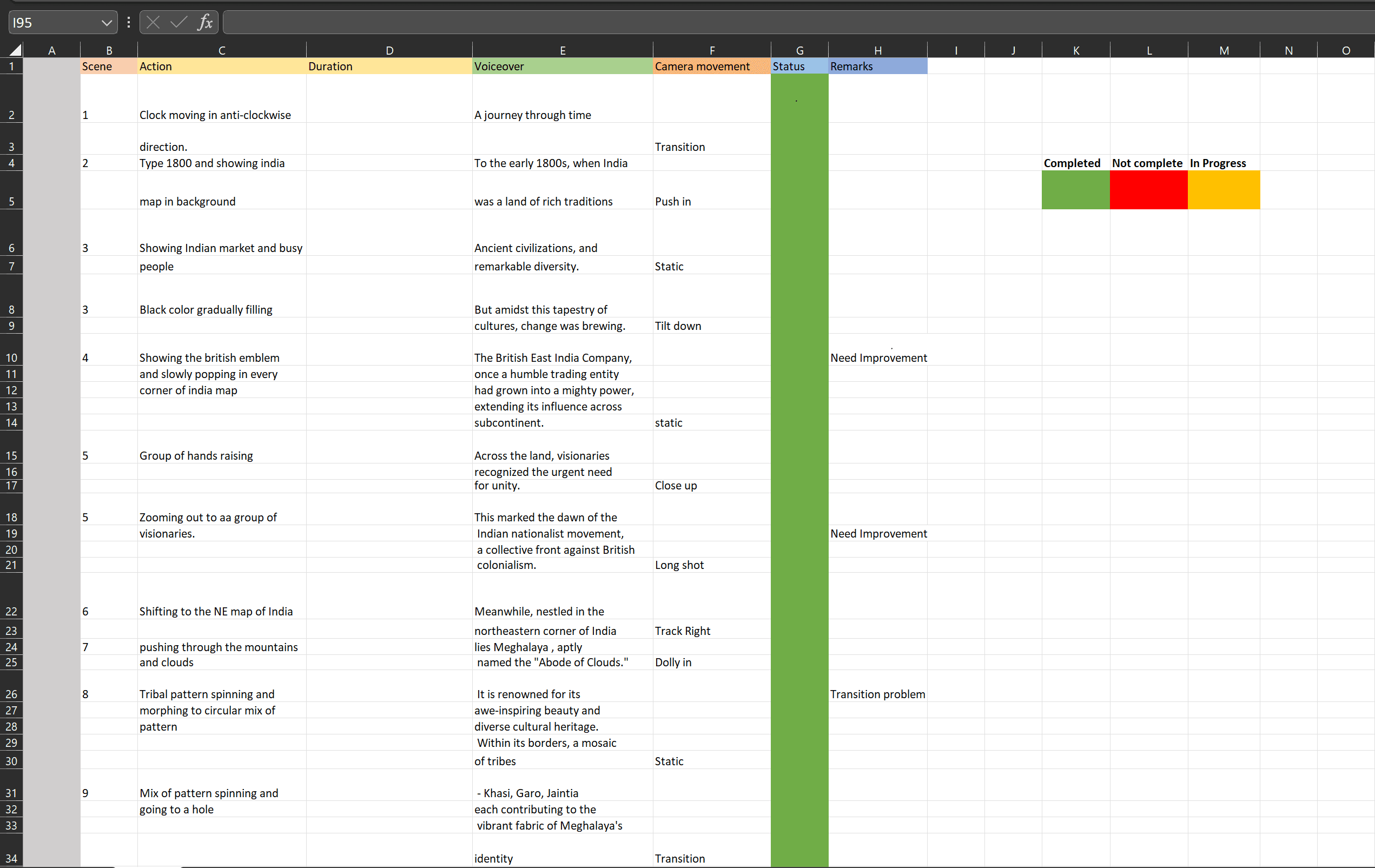
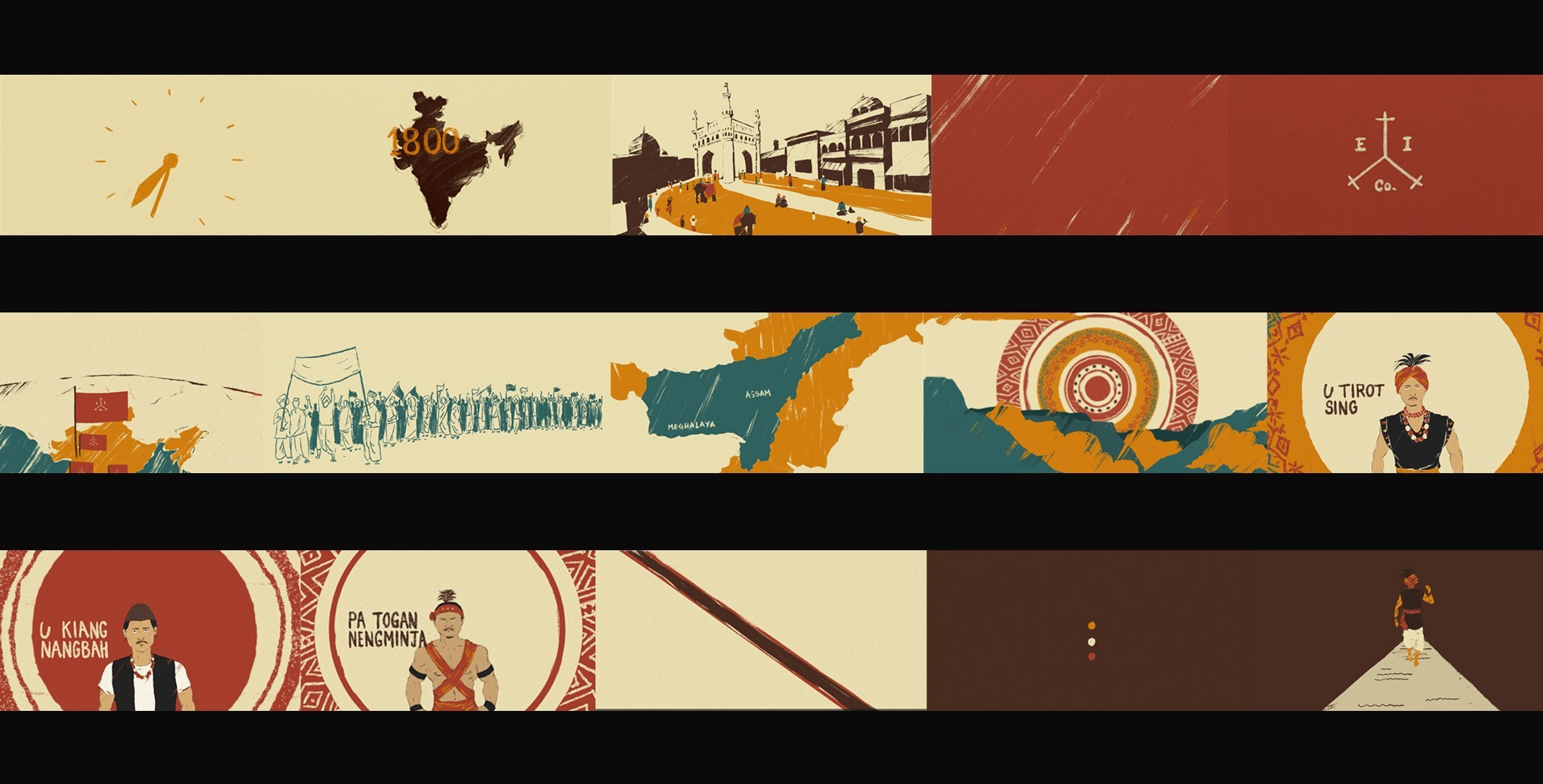
Narrator: A journey through time, to the early 1800s, when India was a land of rich traditions, ancient civilizations, and remarkable diversity. In the midst of this rich and varied cultural fabric, change was brewing. The British East India Company, once a humble trading entity, had grown into a mighty power, extending its influence across vast expanses of the subcontinent. Across the land, visionaries recognized the urgent need for unity. This marked the dawn of the Indian nationalist movement, a collective front against British colonialism. Meanwhile, nestled in the northeastern corner of India lies Meghalaya, aptly named the “Abode of Clouds. It is renowned for its awe-inspiring beauty and diverse cultural heritage. Within its borders, a mosaic of tribes - Khasi, Garo, Jaintia - each contributing to the vibrant fabric of Meghalaya’s identity. Among these tribes are three warriors U Tirot Sing from Khasi, U kiang nongbah from Jaintia, and Pa Togan Nengminza from Garo. Each of these warriors emerged as a beacon of hope, leading their people with a unique blend of wisdom, valor, and unwavering determination. U Tirot Sing was born in the Khasi kingdom of Nongkhlaw In 1802, destined to leave an indelible mark on history. He became a syiem (king) and a warrior who deeply loved his land and its people. He was raised with the wisdom of his forefathers and the spirit of his ancestors, which instilled in him a strong sense of devotion to his community. By 1826, after the Treaty of Yandaboo, the British had firmly established their presence in much of the subcontinent, including Assam, Manipur, and Rakhine. In an effort to connect Assam to Bengal, the British political agent named David Scott initiated the building of a crucial road that would pass through the Khasi hills. To accomplish this, he negotiated with the Syiem and Darbars, under specific conditions outlined by the king, to ensure people’s safety during construction. However, by 1828, the Khasis became aware that David Scott had violated the rules he made and plans to impose taxes and subjugate them after the road’s completion. This realization ignited the flames of war. With unwavering resolve and tactical brilliance, U Tirot Sing led a series of battles, fiercely defending his people and their way of life. But after a fierce battle in 1833, Tirot was captured by Lt. H. Inglis after being tricked during negotiations. Later, he was shifted to Dhaka jail where he died in captivity
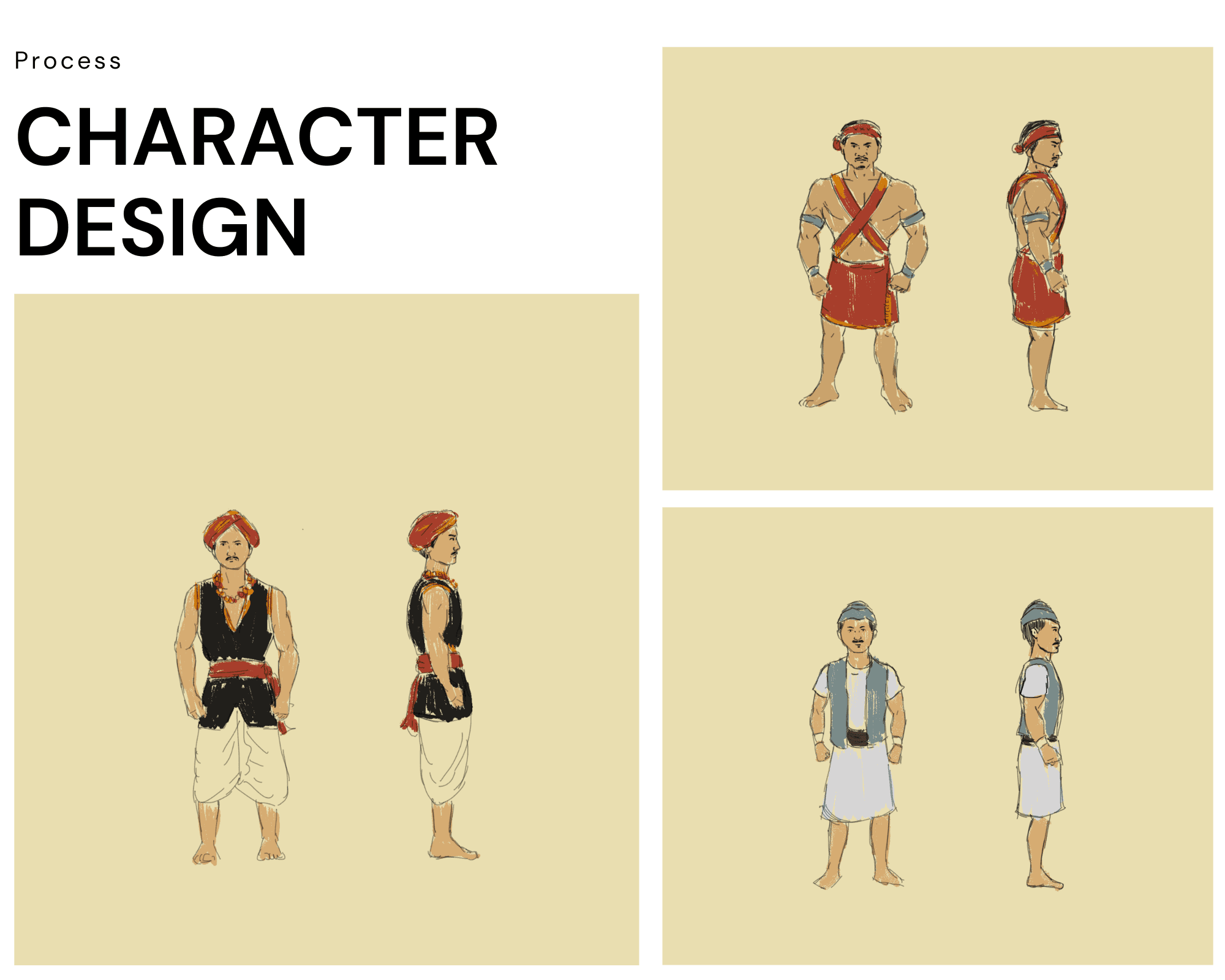
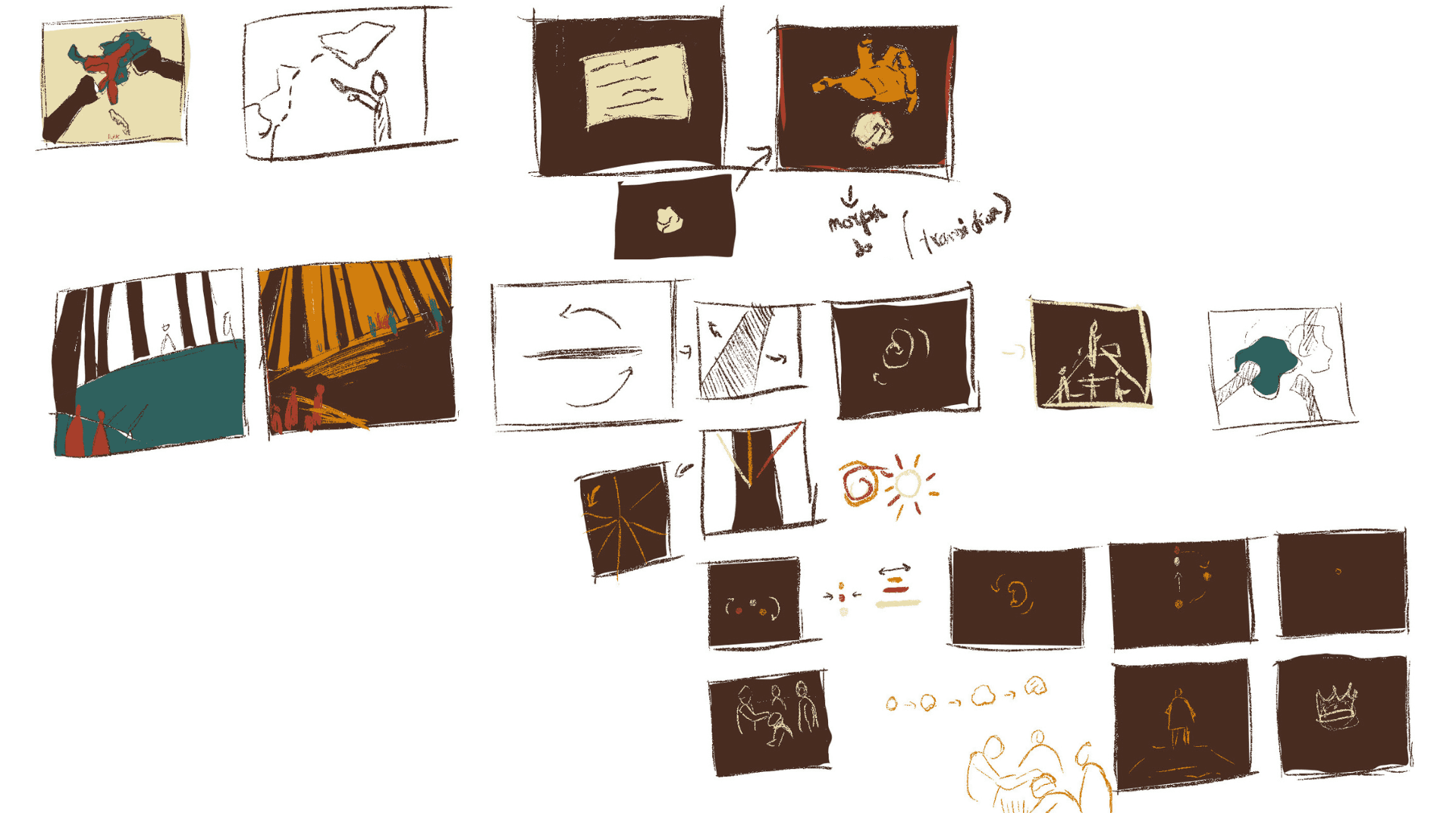
Process

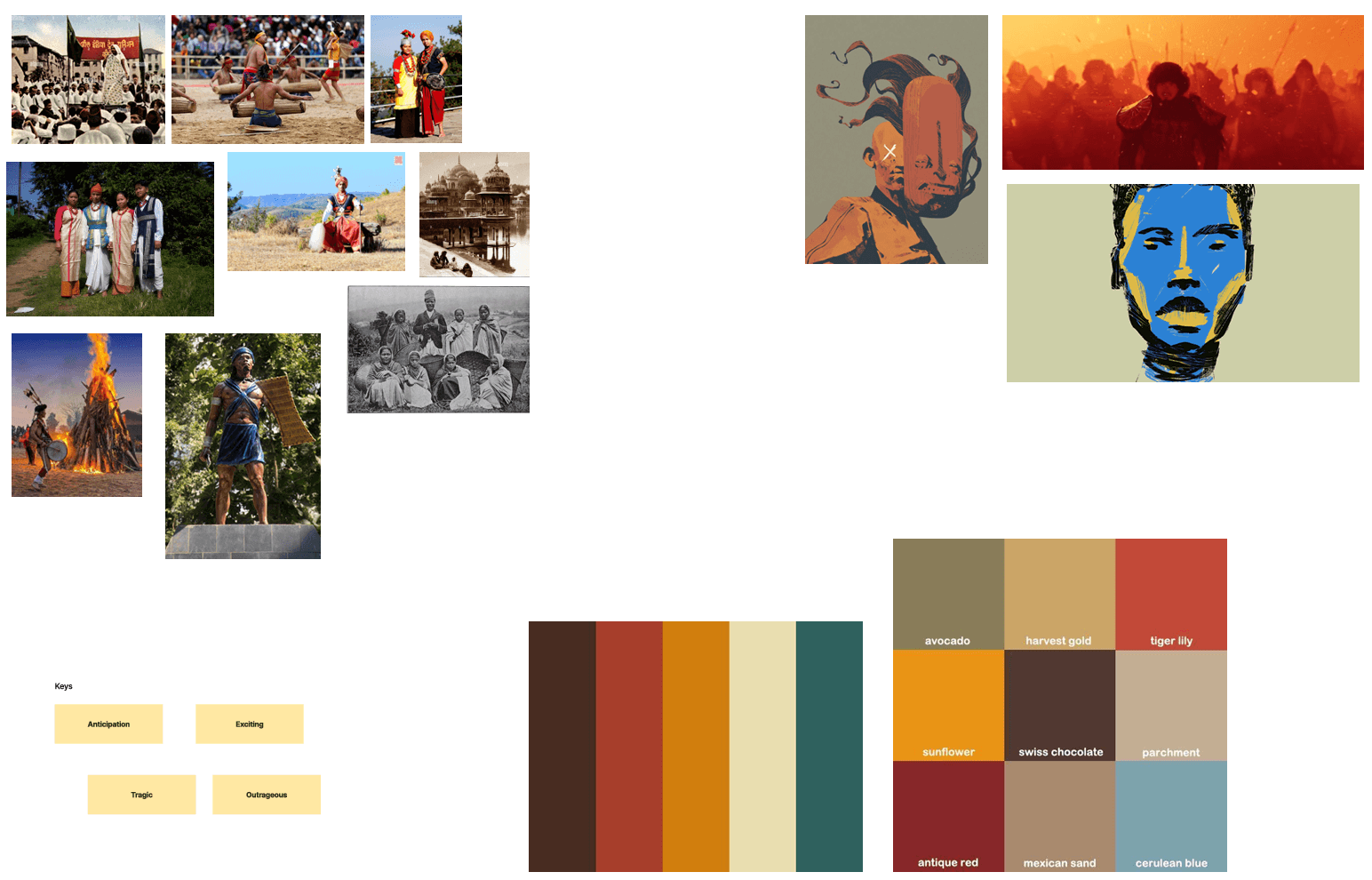
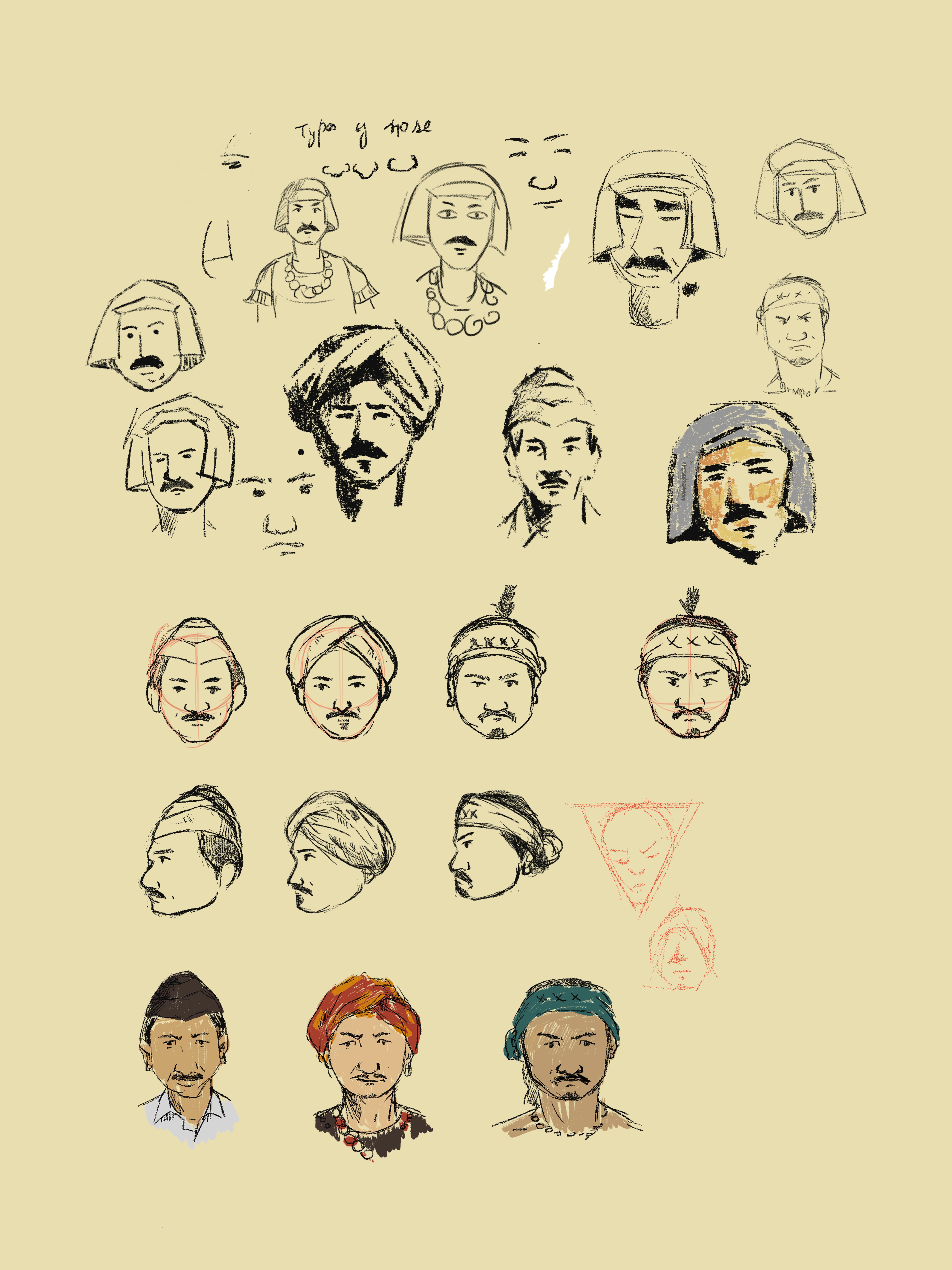
The "Art treatment" draws from a rich mix of local imagery and diverse artistic styles, creating a visual language that feels both rooted and dynamic. The color palette amplifies this energy, channeling rage, excitement, and tragedy, while ultimately bringing everything together in a sense of cultural harmony.
Checklist
Storyboard Thumbnails
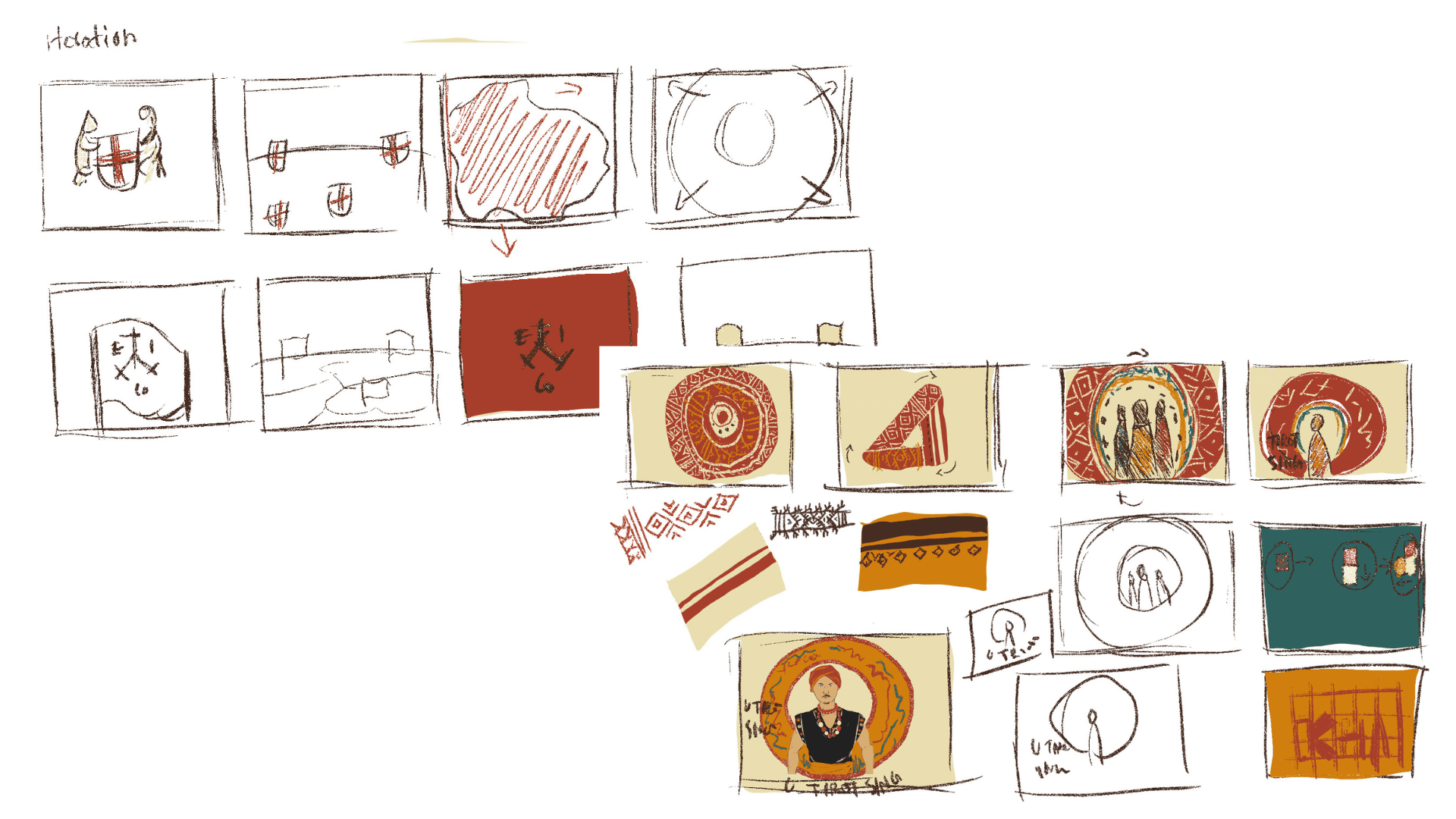
Styleframes

Ready to build something amazing?

I'd love to connect with you!

Ready to build something amazing?

I'd love to connect with you!

Ready to build something amazing?

I'd love to connect with you!

Create a free website with Framer, the website builder loved by startups, designers and agencies.